
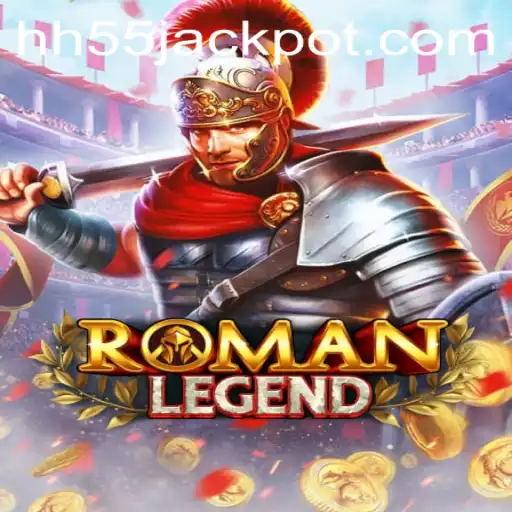

An in-depth exploration of RomanLegend, a captivating game that combines historical intrigue with modern gaming elements.
Introduction to RomanLegend
RomanLegend stands out as one of the most immersive and engaging games in the current gaming landscape. Designed for enthusiasts of history and strategic gameplay, this game transports players to the heart of the Roman Empire, where they must balance power, diplomacy, and warfare to achieve supremacy. The game uniquely integrates historical elements with strategic gameplay, offering a truly captivating experience for both seasoned gamers and newcomers alike.
The Historical Inspiration Behind RomanLegend
RomanLegend draws significantly from the rich history of the Roman Empire. It showcases significant events, influential historical figures, and societal structures in a dynamic format. Players encounter a range of scenarios inspired by historical battles, political intrigues, and cultural developments that characterized this era. The game developers have meticulously crafted an environment where players can experience the complexities of Roman politics, military strategy, and economic management.
Game Mechanics and Design
The design of RomanLegend is both intricate and accessible, featuring a user-friendly interface that allows players to dive into the depths of Roman lore. From the very start, players are tasked with choosing their role in the Roman world, whether as a military commander, a political leader, or a merchant. Each role provides a distinct experience, with unique challenges and opportunities for players to explore.
The game employs a turn-based system, allowing players to plan their strategies and execute their plans meticulously. The combination of tactical depth and expansive gameplay ensures that each session is both engaging and unpredictable. Additionally, RomanLegend features an advanced AI system that adapts to player strategies, providing a challenging opponent for solo players.
Rules of Engagement
A fundamental aspect of RomanLegend is mastering its rules, which are designed to reflect both the historical context and the demands of strategic gameplay. Players must navigate a complex system of alliances, resource management, and military conflicts to succeed. Key rules include the allocation of resources to different facets of the empire, such as infrastructure, army enhancement, and diplomatic endeavors.
Each decision impacts the game's progression, making strategic planning crucial. For instance, focusing too heavily on military conquest might lead to domestic unrest, while neglecting diplomatic relations could result in isolation. The game also introduces players to historical events, requiring them to react and adapt their strategies accordingly. Events like natural disasters, invasions, and political upheaval keep players on their toes, ensuring a dynamic and engaging experience.
Integration of Current Events
One of the unique features of RomanLegend is its integration with current events. The game reflects contemporary global dynamics by allowing players to face challenges similar to those emerging in today's geopolitical environment. This feature adds a layer of realism and urgency to the gameplay, promoting critical thinking and adaptability among players.
Furthermore, the game regularly updates its content to incorporate new scenarios and challenges that mirror real-world events. This ensures that players are constantly engaged, with fresh content to explore and new strategies to devise. The game's emphasis on adaptability and realism helps players develop skills that are applicable both inside and outside the gaming world.
Conclusion
RomanLegend succeeds in delivering a rich and educational gaming experience through its meticulous attention to historical detail and innovative game mechanics. Whether navigating the complexities of Roman politics or engaging in epic military campaigns, players are guaranteed a rewarding journey through time. With its unique blend of history and strategy, RomanLegend offers gamers a chance to test their skills and lead their own version of the Roman Empire to greatness.